
Shanxi: Black Myth Pilgrimage
The real-world setting of Black Myth: Wukong. Home to the most breathtaking ancient architecture in China.
Welcome to Shanxi! This is the real-world setting of the hit game "Black Myth: Wukong." This optimized 6-day itinerary is designed for maximum efficiency. It starts and ends in Taiyuan, packing in the most breathtaking ancient architecture, from the "Tiger Vanguard's" arena to "Yellow Brow's" golden temple.
1. Attractions & Itinerary
Tap copy & paste icon at the right side of attraction name and paste in map app to see the location.
Note: Some major attractions require reservations even with tickets. Be sure to use Trip.com to purchase and reserve simultaneously
Day 1: The Dragon City's Treasures
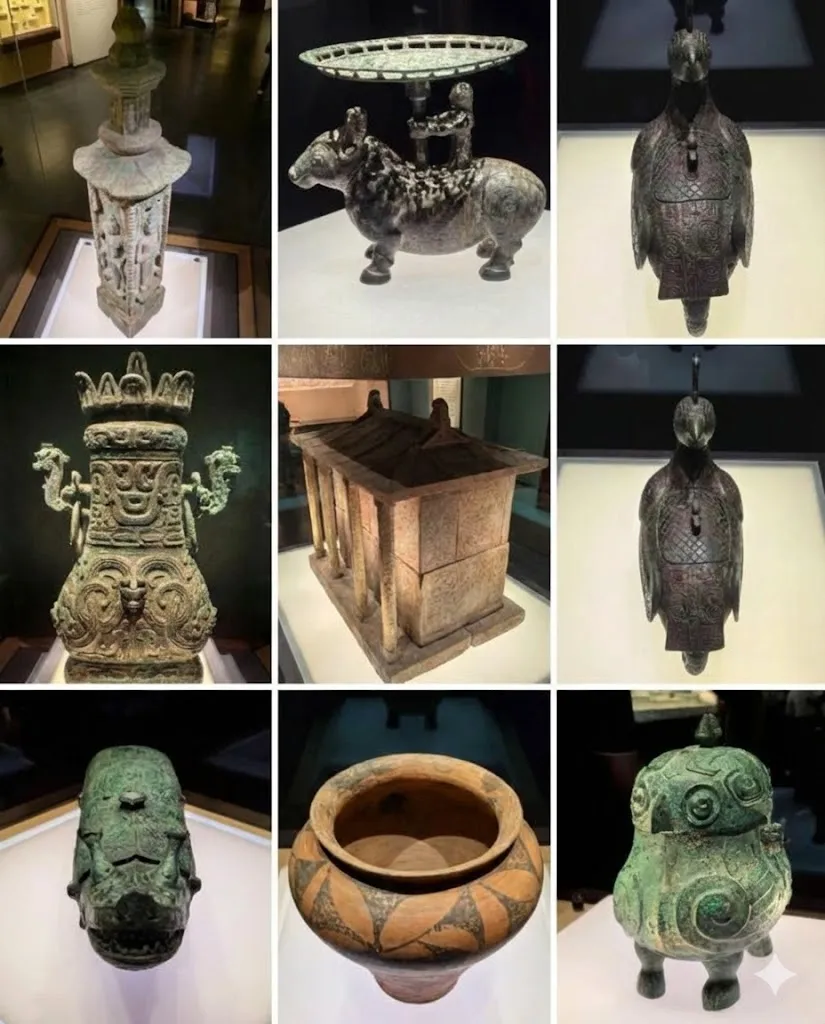
Shanxi Museum (山西博物院)
One of the largest museums in China. This is the best place to understand the 5,000-year history of the region. The bronze ware and Buddhist statues here are world-class, providing context for the temples you will see later.
Cost:Free (Passport/Reservation required)
Hours:9:00 – 17:00 (Closed Mondays)
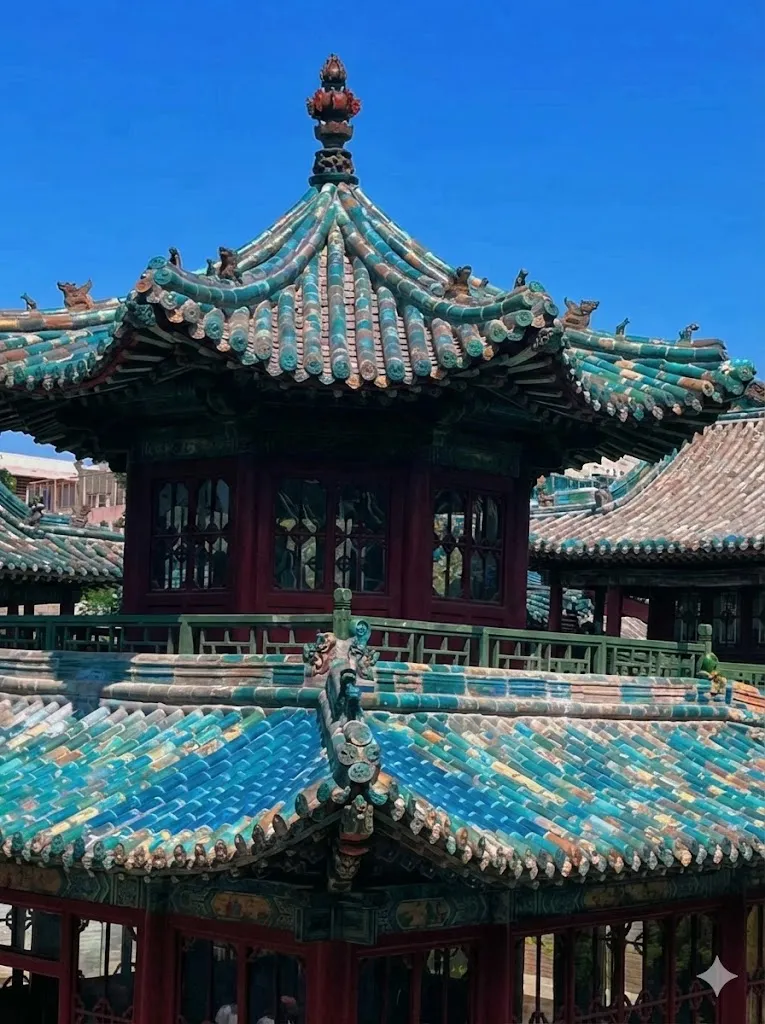
Chunyang Palace (纯阳宫)
An underrated gem dedicated to Taoism. It features a "Nine-Palace Bagua" architectural layout. It houses astonishing Ming Dynasty stone carvings and offers a quiet, mystical atmosphere similar to the game's Taoist temples.
Cost:30 CNY
Hours:8:00 – 18:00
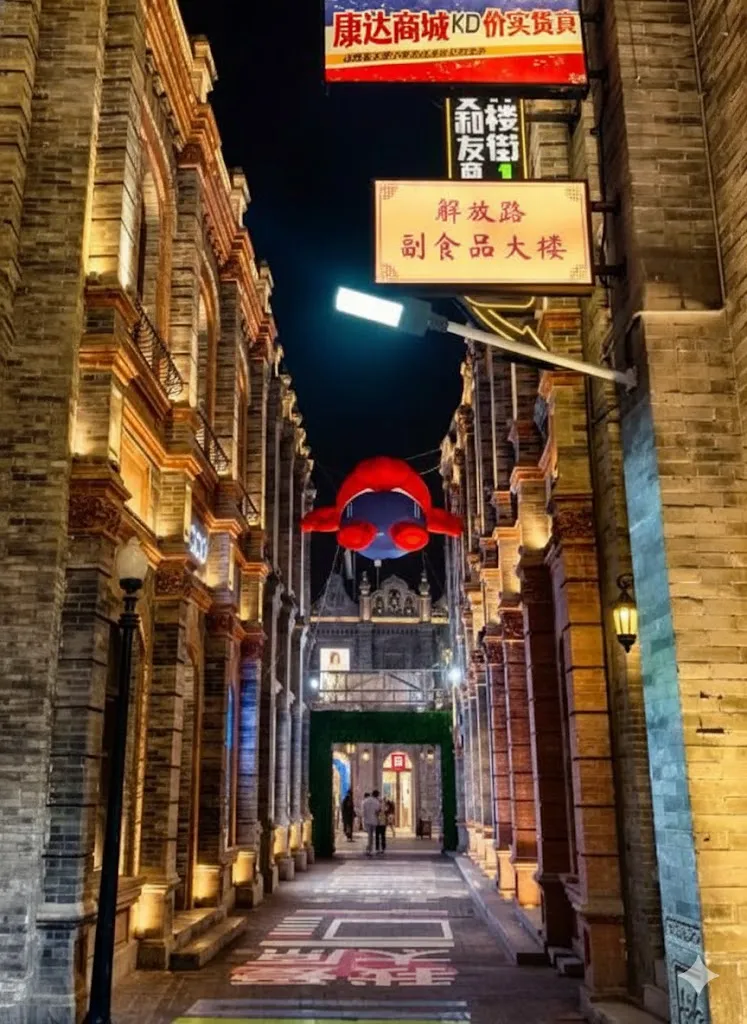
Food Street (柳巷/食品街)
End your day here. Try local snacks like Wan Tuan (Buckwheat rolls) and Vinegar Ice Cream.
Cost:Free admission
Hours:Evening
Day 2: The Monkey King & The Ancient City
Jinci Temple (晋祠)
The oldest classical imperial garden in China. The Hall of the Holy Mother features Song Dynasty maidens that inspired Journey to the West character designs. The ancient cypress trees and "Flying Bridge" create a mythical vibe.
Zhenguo Temple (镇国寺)
Game Location. The Hall of Ten Thousand Buddhas is a rare wooden structure from the Five Dynasties era (over 1,000 years old). It creates a solemn, ancient atmosphere perfect for the game's aesthetic.
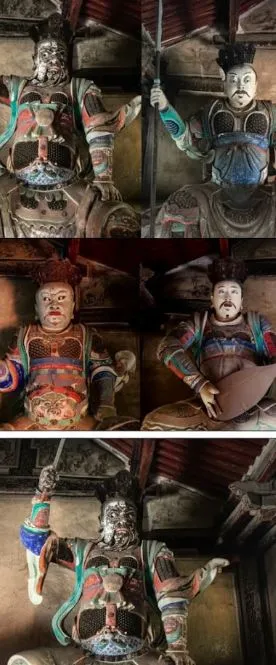
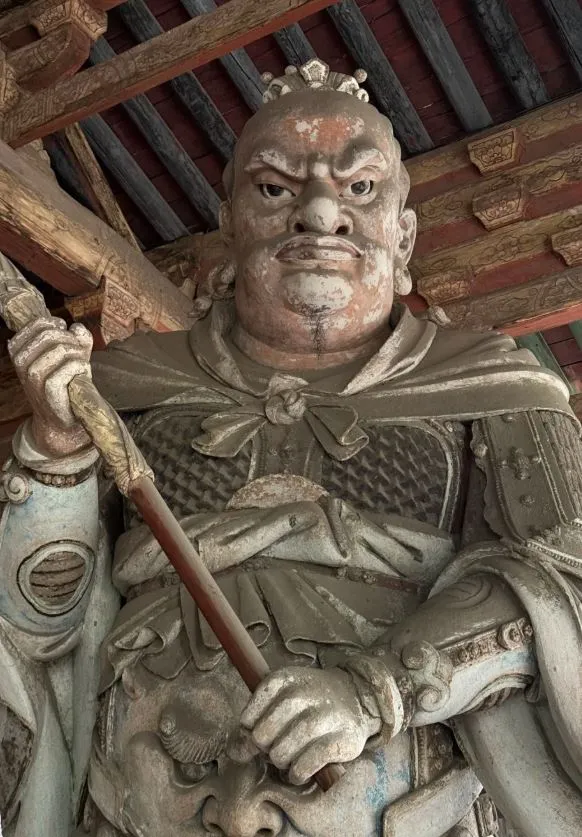
Shuanglin Temple (双林寺)
A Must-Visit for Game Fans. Known as the "Oriental Art Gallery of Painted Sculptures." The Weituo Guardian statue here is famous for its fierce, lifelike gaze—a direct inspiration for the intense character designs in the game ("Golden gaze, angry eyes").
Day 3: The Golden Temple & The Glazed Tower
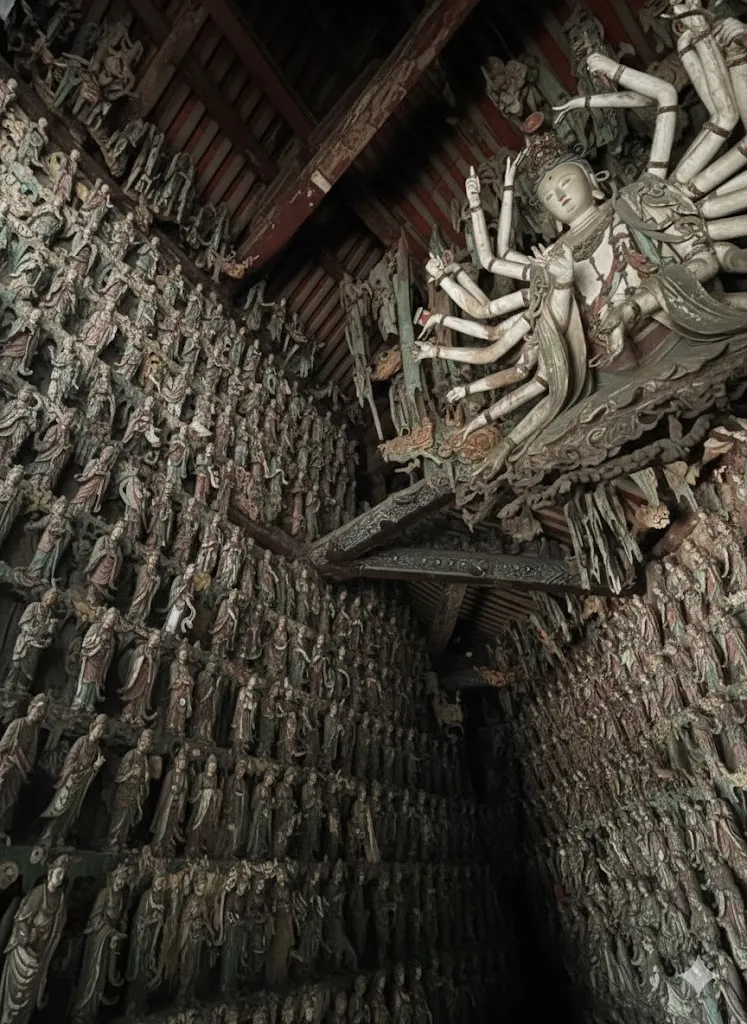
Small Western Heaven (小西天)
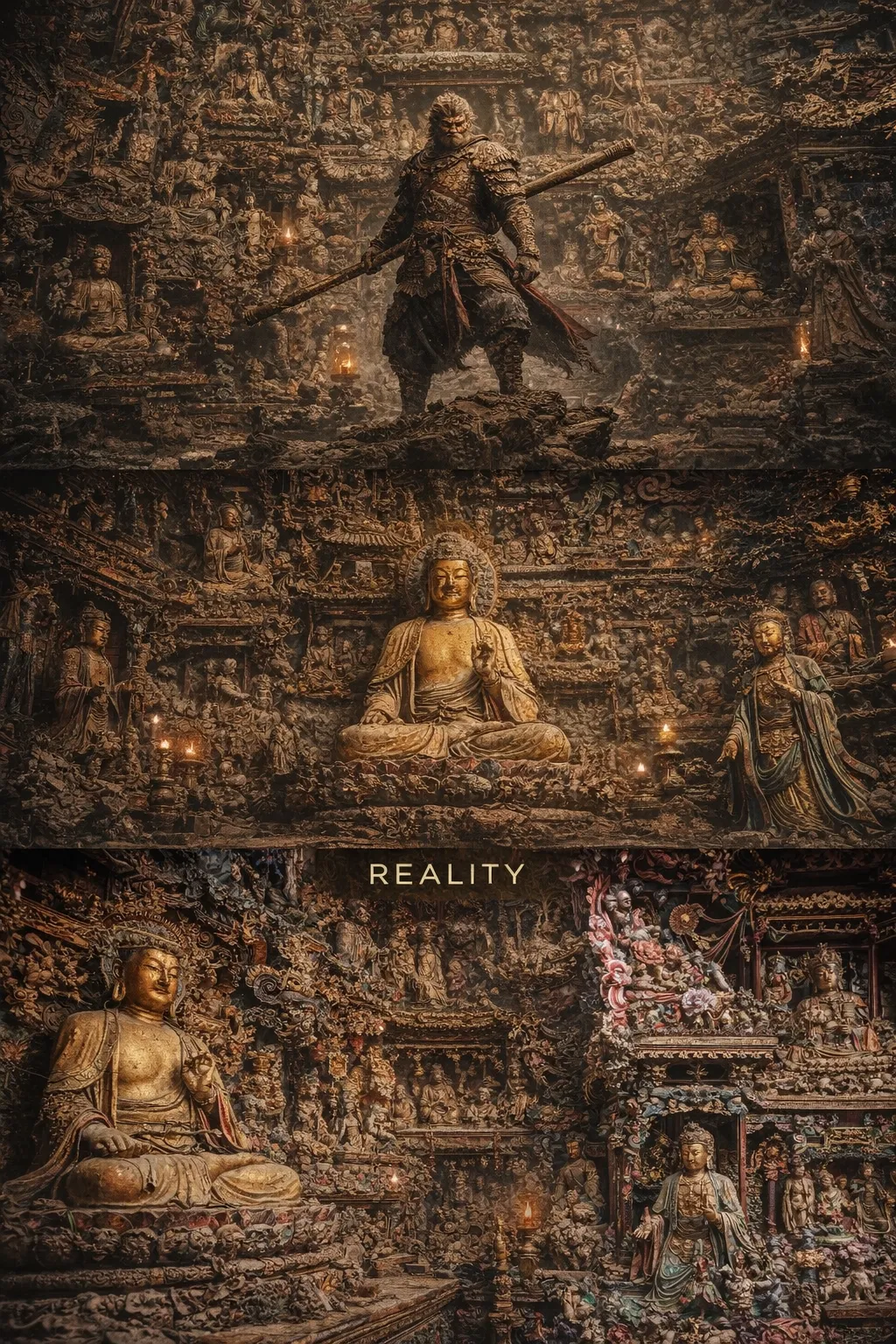
THE Game Highlight. This is the prototype for Yellow Brow's Temple in Chapter 3. Inside the humble 170-square-meter Hall of Great Heroes, there are over 1,900 suspended sculptures. It is a "labyrinth of gods" that looks exactly like the dizzying, golden scenes in the game. It perfectly illustrates the line: "Immortals arranged like hemp."
Cost:35 CNY
Hours:8:00 – 18:00
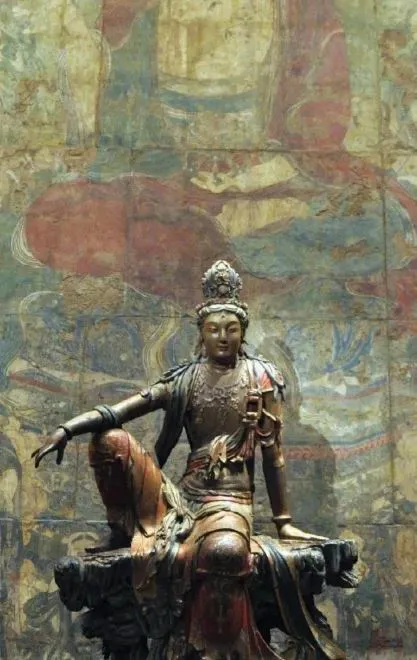
Guangsheng Temple (广胜寺)
Home to the Feihong Pagoda, the tallest multi-colored glazed pagoda in the world. This location was also used in the 1986 TV adaptation of Journey to the West.
Day 4: The Roaring Yellow River
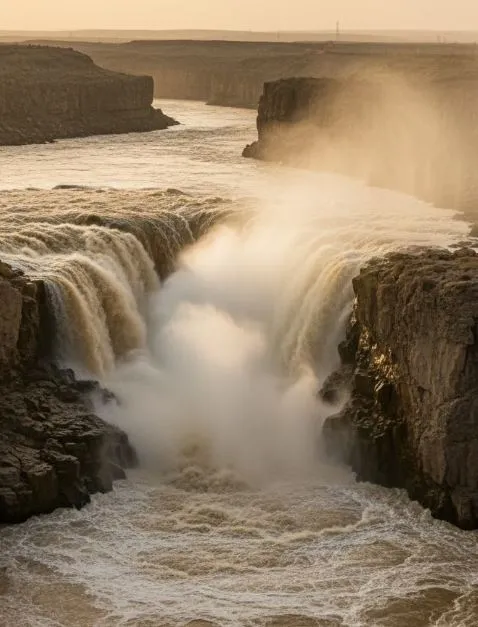
Hukou Waterfall (壶口瀑布)
The largest yellow waterfall in the world. The roaring water captures the wild, untamed spirit of the Chinese landscape often depicted in wuxia games.
Day 5: The Tiger Vanguard & The Cliff Temple
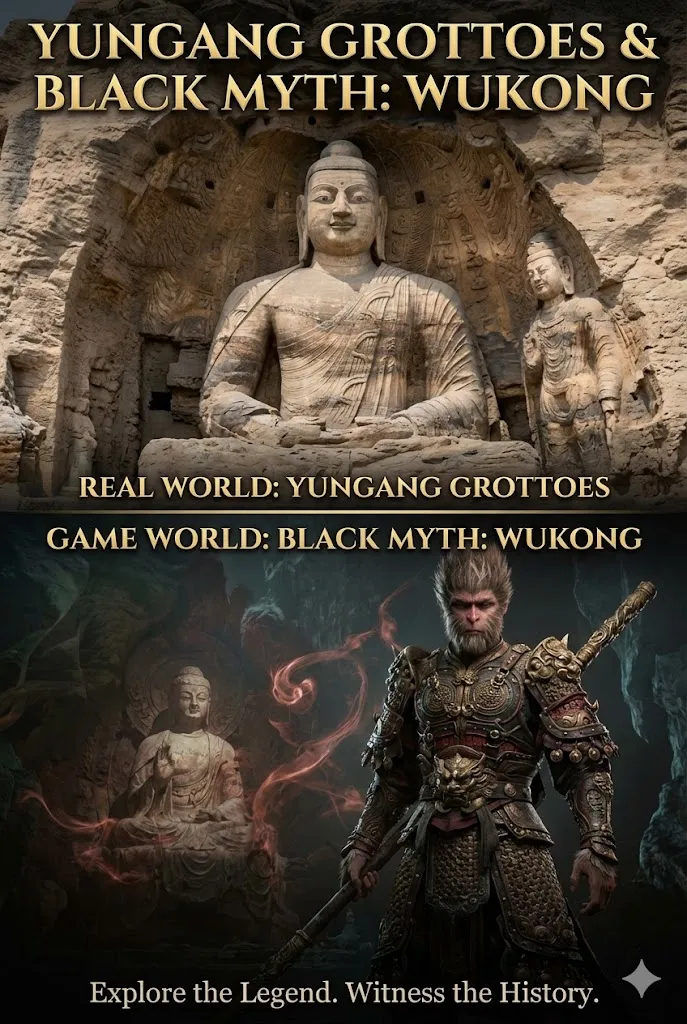
Yungang Grottoes (云冈石窟)
Game Scene Prototype. The massive stone walls and giant Buddhas here inspired the battle arena of the Tiger Vanguard in Chapter 2. Standing under the 13-meter tall Buddha in Cave 20 makes you feel as small as an ant—just like the Destined One.
Hanging Temple (悬空寺)
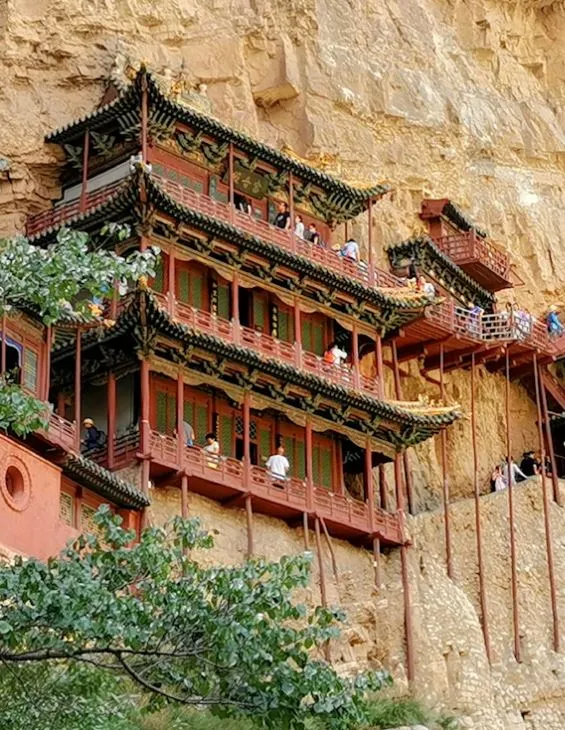
Built into a sheer cliff face 1,500 years ago, supported by thin wooden poles. It defies gravity. This structure inspired the dizzying vertical level design in Chapter 3.
Day 6: The Pagoda Realm & Return
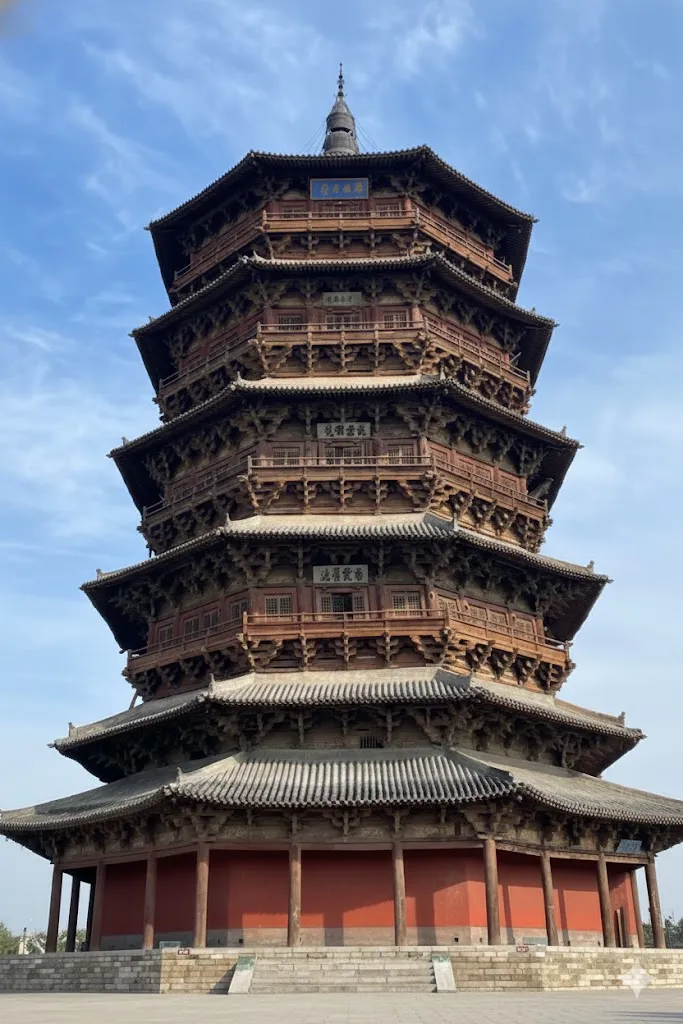
Yingxian Wooden Pagoda (应县木塔)
The prototype for the "Pagoda Realm" (Floating Pagoda) battle. Built in 1056, it is the oldest and tallest all-wooden pagoda in the world. It stands 67 meters tall without a single nail.
2. Food Recommendations
Note: Food items may contain allergens. Please confirm with restaurant staff directly
Tap copy & paste icon at the right side of food name and paste in Dianping app to find restaurants.
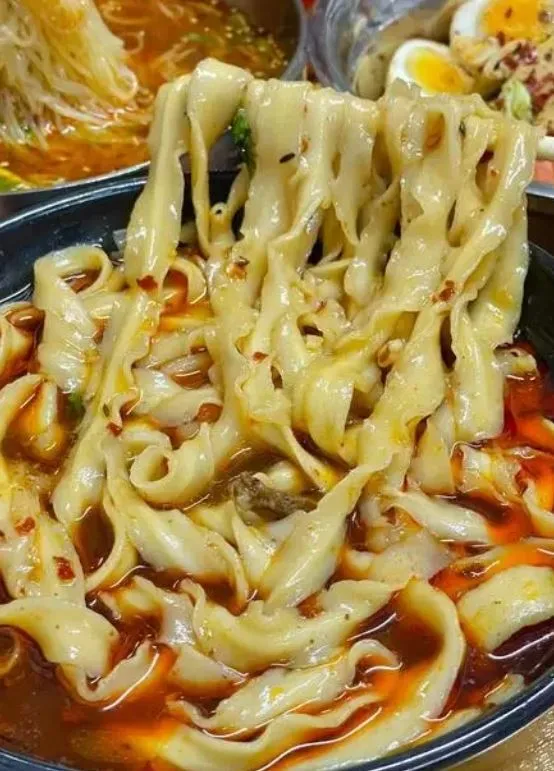
Knife-Cut Noodles (Dao Xiao Mian)
刀削面
The King of Noodles. Chewy and delicious.
Pingyao Beef
平遥牛肉
Famous cold-cut beef, salted and tender.

Guoyou Rou (Oil-Fried Pork)
过油肉
Pork slices passed through oil, stir-fried with fungus and onion. The representative dish of Shanxi.

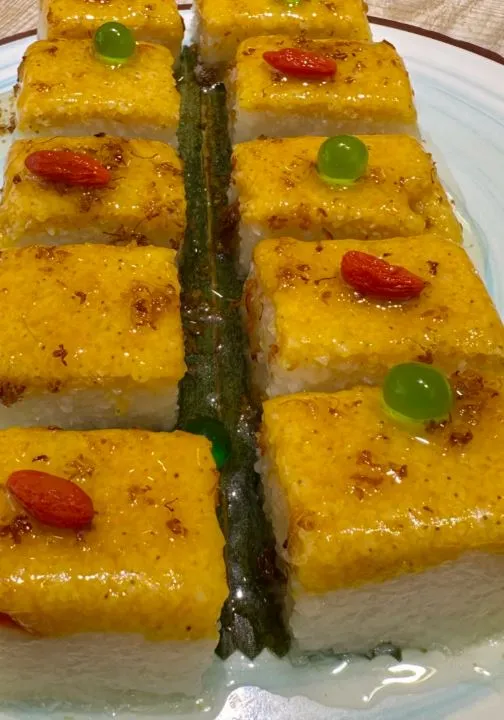
Yellow Rice Cake
黄米糕
A fried sticky rice cake, often served with sugar. A Datong specialty.
3. Transportation Guide
Arrival
- Air:
Taiyuan Wusu Airport (TYN): Very close to city center (~15km). Taxi takes only ~20-30 mins (~30-40 RMB). This is a rare convenience in China!
Datong Yungang Airport (DAT): Small airport; mostly connects to Shanghai/Beijing. 30 mins taxi to city.Check flights via

- Train:
Taiyuan South: Main high-speed hub. Connects to Pingyao Ancient City in just 20-30 mins!
Datong South: High-speed hub for the north. 1.5-2 hours from Beijing.
Pingyao Ancient City Station: High-speed station. Note: It is *outside* the ancient city walls. You need a 15-min taxi or bus to get to the city gate.Check trains via
Inter-City Transport
- High-Speed Rail: Best for Linfen -> Datong.
- Private Driver: Highly Recommended for Days 2, 3, and 6. Places like Xiaoxitian, Zhenguo Temple, and the Wooden Pagoda are hard to reach by public bus.
Within Cities
- Taxi/Didi: Affordable in all Shanxi cities.
4. Where to Stay
Taiyuan
Yingze District. Close to the train station and Shanxi Museum.
Pingyao
Inside the Ancient City. Sleep on a traditional "Kang" bed.
Linfen
City center (near Drum Tower).
Datong
Near the Ancient City Wall. Great night views.
5. Essential Tips
Travel Tips
- The "Hanging Temple" Ticket: The 100 CNY ticket to *climb* the temple sells out quickly. Book via trip.com in advance.
- No Flash: Strictly forbidden in Shuanglin and Xiaoxitian to protect the ancient art.
- Physical Prep: A lot of walking and stair climbing. Wear comfortable shoes.
- Driver vs. Train: While trains connect cities, the temples are often in the countryside. Hiring a driver for the day is the most efficient way to see multiple spots.